Every year as the monsoon clouds roll in over Odisha, residents welcome the cool rains after months of scorching heat. But while the showers bring relief, they also signal the start of peak pest season. Moisture, humidity, and standing water create the ideal breeding conditions for cockroaches, mosquitoes, termites, and rodents — and most homeowners are caught off guard.
Why Monsoon Is Peak Pest Season
Pests thrive in warm, humid environments. Cockroaches multiply rapidly when moisture is abundant. Mosquito larvae need only a few centimetres of standing water to develop. Termites, particularly the subterranean species common in Odisha, become far more active when the soil softens after heavy rain. Rodents flee flooded outdoor nests and seek shelter inside your walls.
The 6 Most Common Monsoon Pests
- Mosquitoes — breed in any standing water: flower pots, AC drip trays, clogged gutters
- Cockroaches — enter through drains and gaps; thrive in damp kitchens and bathrooms
- Termites — swarm during early monsoon; watch for winged termites near lights
- Rodents — seek higher ground indoors as outdoor burrows flood
- Ants — move entire colonies indoors; red ants become aggressive when disturbed
- Silverfish — flourish in damp bookshelves, wardrobes, and stacked papers
7 Steps to Pest-Proof Your Home Before the Rains
- Seal all entry points — inspect door frames, window edges, and pipe openings. Fill gaps with silicone sealant or wire mesh.
- Eliminate standing water — empty and cover water containers weekly. Check AC unit trays, cooler pans, and roof drains.
- Keep the kitchen dry — wipe down wet surfaces after use, fix dripping taps, and repair under-sink leaks immediately.
- Store food in airtight containers — cardboard boxes and thin plastic bags offer no resistance to cockroaches or rodents.
- Clear clutter — piles of newspapers and unused items are prime hiding spots for silverfish and cockroaches.
- Trim garden vegetation — overgrown plants and vines touching your walls act as pest highways into your home.
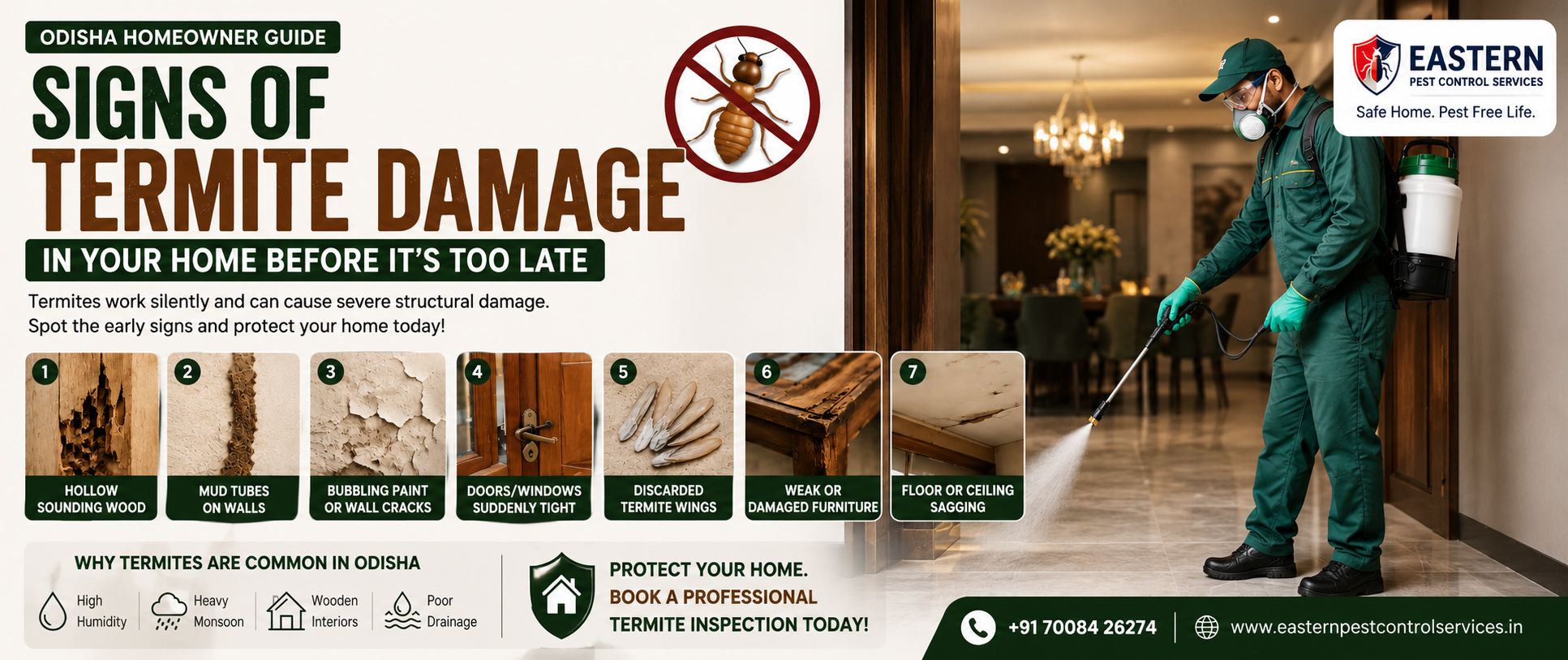
- Inspect wooden furniture — tap on furniture legs and door frames. A hollow sound may indicate termite activity inside.
When Home Prevention Is Not Enough
DIY measures go a long way, but they cannot eliminate an existing infestation or treat the root cause. If you notice signs — frass, mud tubes, droppings, or unusual smells — contact a professional immediately. Early intervention is always far cheaper than repairing structural damage later.
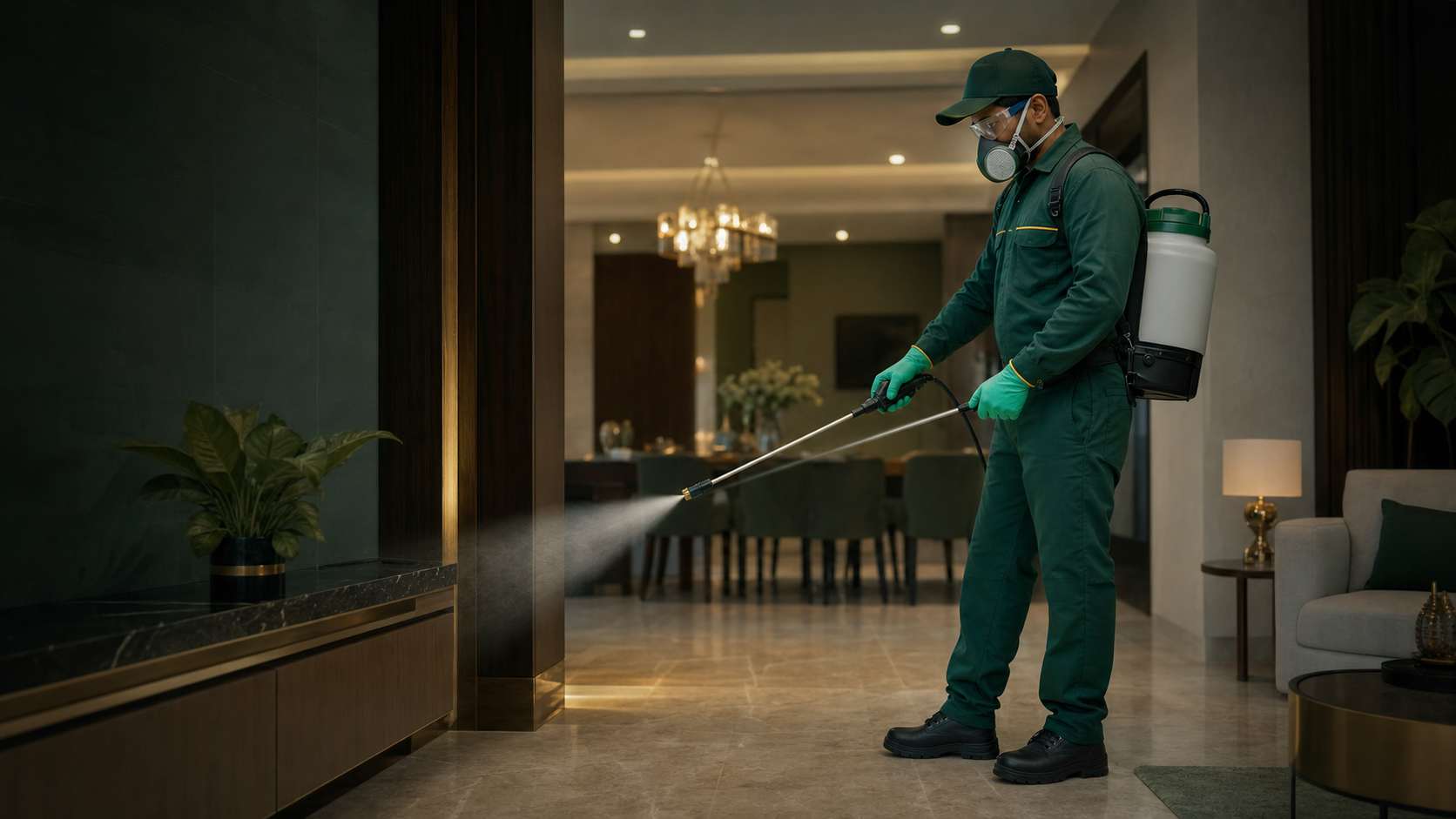
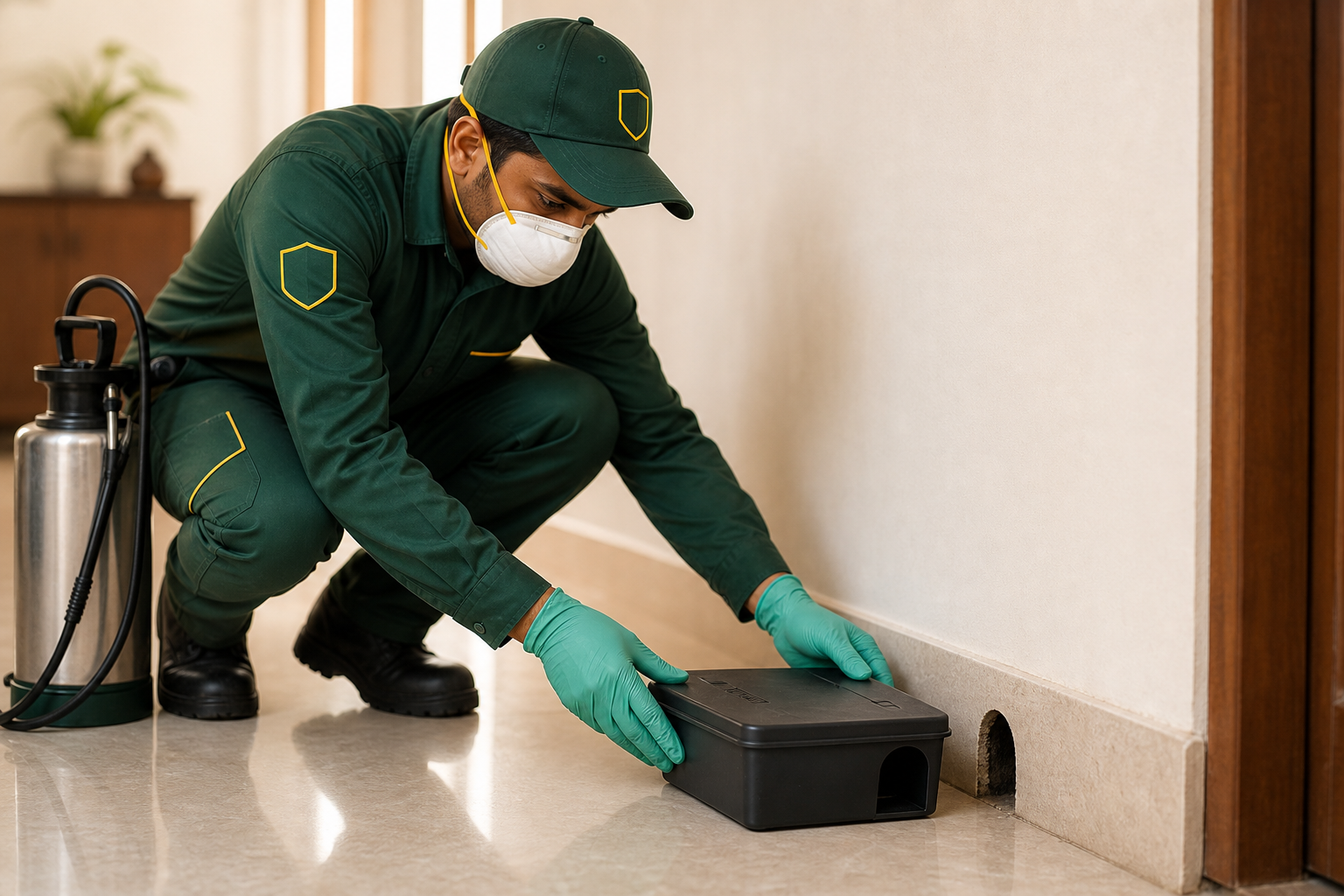
At EPCS, we offer a pre-monsoon treatment package covering all major pest categories using government-approved, eco-friendly products that are safe for children and pets. Book your free inspection today and stay protected all season long.