Here’s a professional and informative blog post draft for Eastern Pest Control Services titled “Why Do Termites Come Out After Rain? Expert Insights”:
Why Do Termites Come Out After Rain?
Expert Insights from Eastern Pest Control Services
If you’ve ever noticed termites swarming after a rainy day, you’re not alone. This is a common concern among homeowners, especially during the monsoon season in India. But have you ever wondered why termites come out after it rains? As pest control experts since 2014, Eastern Pest Control Services is here to break it down for you.
1. Moisture Creates the Perfect Environment
Termites thrive in moist conditions. After it rains, the soil becomes damp, which softens the wood and makes it easier for termites to tunnel and feed. Excess moisture also helps termites stay hydrated, which is essential for their survival.
2. Rain Triggers Swarming Behavior
After a rainfall, especially during the warmer months, certain termite species begin to swarm. These winged termites—called alates—emerge from their colonies in large numbers looking to mate and establish new colonies. The moisture makes the environment ideal for them to settle down and begin reproducing.
3. Weakening of Structures
Waterlogged foundations, walls, and wooden furniture can become easy targets. Rain often causes small cracks and crevices in your home to widen, creating new entry points for termites. Without proper treatment, this can lead to serious long-term damage.
4. Natural Signals to Colonize
Rain and humidity signal to termites that it’s a good time to spread out and form new colonies. The moist soil helps the newly formed colonies survive in their early stages, which is why you’ll often see increased termite activity right after rainfall.
What Can You Do?
- Inspect for Mud Tubes or Wings: Check window sills, walls, and foundations for discarded wings or mud tunnels.
- Avoid Water Accumulation: Fix leaking pipes, clean gutters, and ensure good drainage around your home.
- Schedule Regular Inspections: Preventive treatment from experts like Eastern Pest Control Services can save you from expensive repairs.
Need Help with Termites?
At Eastern Pest Control Services, we offer professional termite inspection and treatment solutions tailored to your home or business. Don’t wait until it’s too late—let our expert team protect your property before termites take over.
📞 Call us today or 📩 Book a free inspection now!
Would you like this blog post turned into a social media caption, emailer, or flyer content as well?
You said:
Why Do Termites Come Out after rain? Expert Insights reason with images
ChatGPT said:
Here’s a visual blog-style explanation of “Why Termites Come Out After Rain” with expert insights from Eastern Pest Control Services, including suggested images for each section. You can use this for your blog, social media, or infographics.
🐜 Why Do Termites Come Out After Rain?
🌧️ Expert Insights by Eastern Pest Control Services
1. Moisture Creates a Perfect Habitat
Reason: Rainwater soaks into the soil and wooden structures, creating the humid conditions termites love.
📸 Suggested Image: A damp wooden log or wall with visible water droplets and early termite damage.
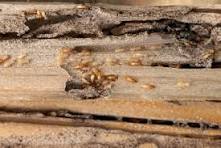
🗨️ “Moisture is the lifeline of termites. After rain, wood becomes softer and more penetrable for them.” — EPC Expert
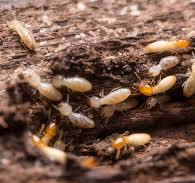
2. Rain Triggers Termite Swarming (Alates Flight)
Reason: Winged termites (called alates) swarm after rain to find mates and build new colonies.
📸 Suggested Image: Swarm of winged termites near a light or window after a rainy evening.
🗨️ “Swarming is nature’s way of expanding colonies. Rain and warm air signal it’s time to move.”
3. Rain Weakens Wooden Structures
Reason: Excess water causes cracks and softens the wood, making it easy for termites to invade.
📸 Suggested Image: Cracked damp wood or foundation with mud tubes or visible termite entry holes.
🗨️ “Even small leaks or damp corners become prime termite entry points post-rain.”
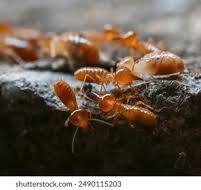
4. Increased Soil Moisture Supports Nesting
Reason: Moist soil helps subterranean termites tunnel and maintain colonies underground.
📸 Suggested Image: Close-up of termites in moist soil, near a building foundation.
🗨️ “Subterranean termites love post-rain soil—soft, moist, and ready for tunneling.”
5. Humidity Signals a New Colony Season
Reason: High humidity levels after rain mimic natural breeding cues, encouraging reproduction.
📸 Suggested Image: Termite eggs or a newly forming termite mound in a damp area.
🗨️ “Humidity is a silent signal—telling termites it’s time to grow.”
🛡️ What You Can Do to Prevent Termite Infestation
- Inspect for Wings or Mud Tubes
- Fix Leaks & Drain Water Accumulation
- Keep Wooden Items Elevated & Dry
- Schedule Routine Termite Inspections
📞 Contact Eastern Pest Control Services Today!
Your local termite control experts since 2014.