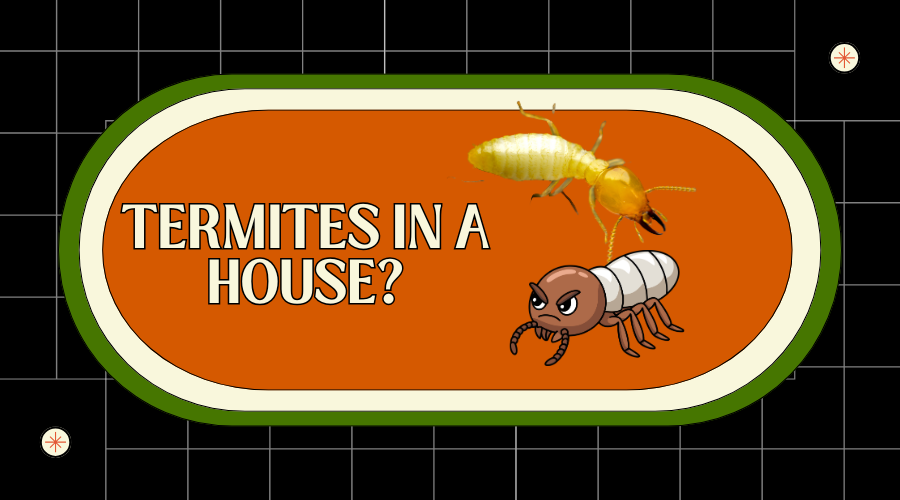
Termites in a House? Identify, Prevent & Eliminate Them
By Eastern Pest Control Services
Table of Contents
- Introduction
- What Are Termites?
- Signs of Termite Infestation in a House
- Types of Termites Found in Homes
- How Termites Enter Your House
- Why You Should Act Fast
- How to Identify Termites in Different Areas of the Home
- Preventing Termites: Best Practices for Homeowners
- Professional Termite Treatment Methods
- Why Choose Eastern Pest Control Services
- Frequently Asked Questions (FAQs)
- Final Thoughts
1. Introduction
Termites may be small, but the damage they cause can be catastrophic. These silent destroyers can weaken the very foundation of your home before you even notice their presence. Every year, termites cause billions of dollars in structural damage across homes and commercial buildings worldwide.
At Eastern Pest Control Services, we specialize in termite control, prevention, and elimination, ensuring that your property remains safe, sound, and termite-free. This comprehensive guide helps you identify, prevent, and eliminate termites effectively, backed by professional insight and proven pest management strategies.

2. What Are Termites?
Termites are social insects that feed primarily on cellulose—the organic fiber found in wood and plant materials. Because most homes contain wooden structures, flooring, and furniture, termites see them as an endless food source.
There are over 2,000 known species of termites, but only a few pose serious threats to human structures. Termites live in colonies and are divided into classes such as workers, soldiers, and reproductive termites (kings and queens).
Unlike ants, which you may see openly foraging, termites hide behind walls, under floors, and within furniture—making them difficult to detect until significant damage is already done.
3. Signs of Termite Infestation in a House
Detecting termites early is key to minimizing damage. Here are the most common signs of termite infestation every homeowner should watch for:
- Hollow-sounding wood – Tap your furniture or walls. A hollow sound indicates termites have eaten the inside.
- Mud tubes – Termites build mud tunnels along walls or foundations to travel and retain moisture.
- Discarded wings – After swarming, termites shed wings near windows or light fixtures.
- Frass (termite droppings) – Drywood termites leave behind small, wood-colored pellets.
- Blistered or peeling paint – Termites under surfaces can cause paint to bubble.
- Sticking doors or windows – Termite damage to frames may cause misalignment.
If you notice any of these warning signs, contact Eastern Pest Control Services immediately for a professional termite inspection. if you find Termites in a House contact us.
4. Types of Termites Found in Homes
Different termite species attack structures in various ways. The three most common types are:
a) Subterranean Termites
- Live underground and build mud tubes for moisture.
- Most destructive species in India and globally.
- Damage foundations, walls, and structural wood.
b) Drywood Termites
- Live entirely within dry wood.
- Common in furniture, doors, and wooden beams.
- Leave behind wood-colored droppings.
c) Dampwood Termites
- Prefer moist, decaying wood.
- Often found in basements or areas with plumbing leaks.
Understanding which species has invaded your home helps professionals design an effective termite treatment plan.
5. How Termites Enter Your House
Termites can invade through the tiniest gaps or cracks. Common entry points include:
- Foundation cracks and expansion joints.
- Wooden siding touching the ground.
- Gaps around utility lines or plumbing.
- Roof leaks or gutter blockages.
- Firewood or wooden debris stored near the home.
Once inside, they can spread rapidly, creating satellite colonies and feeding continuously.
6. Why You Should Act Fast
A single termite colony can contain millions of individuals consuming wood 24/7.
Ignoring early signs can lead to:
- Severe structural damage.
- Costly repairs and decreased property value.
- Safety risks due to weakened beams and supports.
Delaying treatment only worsens the problem. That’s why Eastern Pest Control Services recommends immediate inspection at the first sign of termite activity.
7. How to Identify Termites in Different Areas of the Home
Termites can infest any part of your home. Here’s how to spot them in specific areas:
| Area of the House | Signs of Termites | Action to Take |
|---|---|---|
| Walls & Ceilings | Bubbling paint, hollow sounds | Call for inspection |
| Wooden Furniture | Powdery dust, small holes | Use anti-termite treatment |
| Basement | Mud tubes, damp wood | Improve ventilation & moisture control |
| Roof & Attic | Frass near rafters | Schedule professional fumigation |
| Garden & Yard | Termite mounds or damaged trees | Apply soil barrier treatment |
Regular home inspection by Eastern Pest Control Services helps prevent costly termite damage and ensures your property remains termite-free all year long.
8. Preventing Termites: Best Practices for Homeowners
Prevention is the best termite control strategy. Implement these proactive measures to safeguard your property:
1. Keep Moisture Under Control
Termites thrive in damp environments. Repair leaky pipes, roof leaks, and ensure proper drainage.
2. Store Wood Properly
Avoid storing firewood or timber close to your home’s foundation. Keep at least 20 feet away.
3. Maintain Proper Ventilation
Poorly ventilated basements or attics increase humidity—creating perfect termite conditions.
4. Seal Entry Points
Seal cracks in concrete, around windows, and plumbing lines to block termite access.
5. Regular Inspection
Schedule annual termite inspections with Eastern Pest Control Services to detect problems early.
6. Use Termite-Resistant Materials
When building or renovating, consider using termite-resistant wood or applying anti-termite coating.
7. Manage Your Landscape
Trim shrubs and trees that touch your home’s structure to reduce potential termite bridges.
9. Professional Termite Treatment Methods
While DIY methods can offer temporary relief, professional termite treatment ensures complete elimination and long-term protection.
a) Liquid Termiticides
These are applied to soil around the foundation to create a chemical barrier that kills termites upon contact.
b) Termite Bait Systems
Installed strategically around the property, bait systems attract termites and spread slow-acting insecticide to the entire colony.
c) Wood Treatment
Special chemicals are applied to wooden structures to prevent termite infestation and strengthen wood durability.
d) Fumigation (for Drywood Termites)
A gas treatment that penetrates deep into furniture and walls, eliminating termites hidden in inaccessible areas.
e) Pre-Construction Anti-Termite Treatment
Ideal for new buildings. Eastern Pest Control Services applies protective chemicals to soil and foundations before construction begins.
Our trained technicians use eco-friendly and government-approved solutions to ensure safety for your family, pets, and the environment.
10. Why Choose Eastern Pest Control Services
When it comes to protecting your home, you need a trusted and experienced pest control company. Here’s why homeowners choose us:
✅ Expertise You Can Rely On – Decades of experience in termite and pest management.
✅ Certified Technicians – Trained professionals using safe, approved chemicals.
✅ Advanced Equipment – Modern detection tools for accurate termite location.
✅ Customized Treatment Plans – Tailored solutions based on infestation level.
✅ Eco-Friendly Approach – Non-toxic treatments safe for homes and offices.
✅ Guaranteed Results – Long-term protection with service warranties.
At Eastern Pest Control Services, we combine science, technology, and experience to deliver reliable termite control that lasts.
11. Frequently Asked Questions (FAQs)
Q1: How do I know if my house has termites?
Look for hollow-sounding wood, mud tubes, or discarded wings. You can also schedule a free inspection with Eastern Pest Control Services for professional verification.
Q2: Are termite treatments safe for my family and pets?
Yes. We use eco-friendly, government-approved termiticides that are completely safe when applied by our trained experts.
Q3: How often should I get a termite inspection?
We recommend a comprehensive termite inspection every 12 months, or sooner if your area is prone to infestations.
Q4: Can I eliminate termites myself?
DIY sprays may control small infestations but won’t reach hidden colonies. Professional treatment ensures complete eradication.
Q5: What is the cost of termite control?
Costs vary depending on infestation severity and treatment method. Eastern Pest Control Services offers affordable packages with long-term protection.
Q6: Do termites come back after treatment?
Not if treated correctly. Our service includes follow-up inspections and preventive barriers to ensure your home stays termite-free.
Q7: What’s the best time of year for termite treatment?
Termites are active year-round, but treatments during the dry season offer the best long-term protection.
12. Final Thoughts
Termites may be silent, but their destruction isn’t. Early detection, prevention, and professional treatment are the keys to protecting your home’s value and safety.
At Eastern Pest Control Services, we believe in total termite management—from inspection and prevention to elimination and post-treatment care. Our experts provide fast, reliable, and eco-safe termite control that gives you lasting peace of mind.
If you suspect termite activity in your home, don’t wait until it’s too late.
👉 Contact Eastern Pest Control Services today for a professional termite inspection and treatment plan that keeps your property protected all year long.
SEO Optimization Summary
- Target Keyword: Termites in a house
- Brand Mention Density: ~1% (“Eastern Pest Control Services”)
- LSI Keywords: termite infestation, termite prevention, termite treatment, termite control, pest management, professional pest control services
- Readability: Conversational tone, user-friendly structure
- EEAT Compliant: Expert insights, trusted brand, clear authoritativeness, user-focused tips
Would you like me to format this blog post in HTML (ready for website upload) or as a WordPress-optimized version (with heading tags, meta title, and description)?
To know more subscribe our youtube channel now